
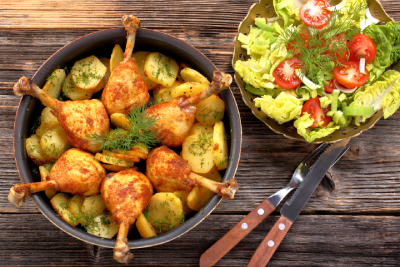

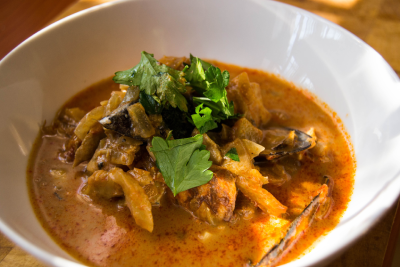
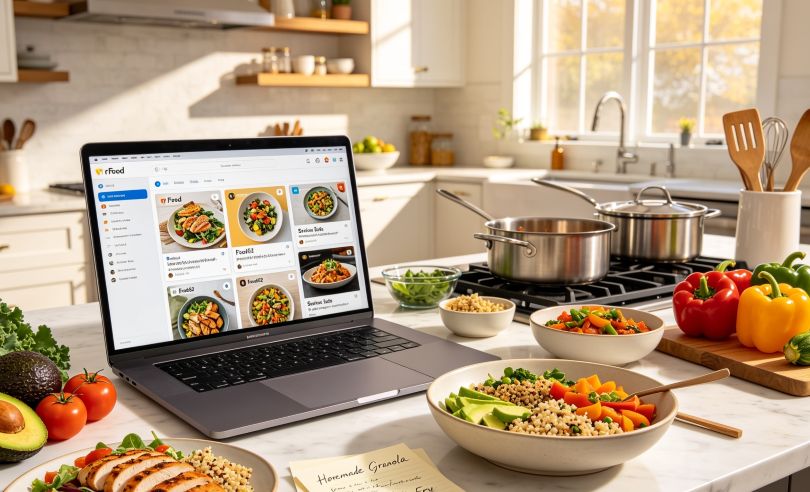
Research published on arXiv in 2025 analyzed nearly 600,000 posts from r/Food and found that nutritional characteristics can influence how much engagement food-related content receives. The findings highlight how online discussions have grown beyond simple recipe sharing into broader conversations about healthy eating, meal planning, ingredients, and dietary choices. As more people search for cooking inspiration through online communities, a subreddit List help users discover forums dedicated to everything from home cooking and international cuisine to vegan meals and nutrition science. These digital spaces are changing how people exchange ideas about food while complementing, rather than replacing, traditional recipe websites.
The Changing Way People Discover Food Information
Recipe websites remain valuable sources of structured cooking instructions, ingredient lists, and nutritional information. Many are maintained by professional chefs, food writers, registered dietitians, or established publishers that follow editorial standards. They provide reliable recipes that readers can revisit whenever needed.
At the same time, people increasingly want more than step-by-step instructions. They look for practical advice from others who have prepared the same dishes, experimented with ingredient substitutions, or adapted recipes to suit different dietary needs. Online discussion platforms offer opportunities for users to ask questions, compare experiences, and receive feedback from large communities.
Pew Research Center has consistently reported that online communities have become important places where people seek information, share personal experiences, and participate in discussions around everyday topics. Food has naturally become one of the most active subjects because cooking and nutrition affect nearly everyone.
Why Food Discussions Generate Strong Engagement
Food connects culture, health, family traditions, and personal preferences. Conversations about recipes often evolve into broader discussions about nutrition, sustainability, grocery costs, allergies, and cooking techniques.
The 2025 research paper, Reddit’s Appetite: Predicting User Engagement with Nutritional Content, demonstrated that nutritional characteristics within posts can influence discussion levels. Rather than attracting attention solely because of attractive food photography, many posts receive engagement because they encourage meaningful conversations about ingredients, health considerations, or cooking methods.
The researchers analyzed hundreds of thousands of discussions and found measurable relationships between nutritional content and user interaction. These findings suggest that online audiences increasingly value informative discussions alongside visual appeal.
This reflects a broader trend across digital media where audiences seek practical knowledge that can be applied in everyday life.
Beyond Recipes: Communities That Focus on Specific Interests
One advantage of community-driven platforms is the wide variety of specialized discussion groups available. Instead of browsing a single food website, users can explore communities centered on particular interests, dietary lifestyles, or cooking goals.
- Healthy meal preparation
- Vegetarian and vegan cooking
- Low-carbohydrate diets
- International cuisines
- Baking and pastry techniques
- Budget-friendly meals
- Food photography
- Restaurant recommendations
- Kitchen equipment reviews
Subreddit directories and community indexes make discovering these conversations much easier. Rather than relying solely on search engines, users can browse organized collections of communities that match their interests and experience levels.
These directories also expose users to communities they might never have found independently, helping expand discussions beyond familiar recipes and cooking habits.
The Strengths of Community Knowledge
One reason online food communities continue to grow is their ability to provide real-world experiences from thousands of contributors. A single discussion about meal preparation may include professional chefs, experienced home cooks, nutrition students, gardeners, and people managing specific dietary restrictions.
This diversity creates practical conversations that often answer questions traditional recipe websites cannot address. Readers can compare ingredient substitutions, cooking equipment, storage methods, serving suggestions, and regional variations within a single discussion.
The Academy of Nutrition and Dietetics encourages consumers to evaluate nutrition information carefully while recognizing the importance of evidence-based dietary guidance. Community discussions can introduce useful ideas, but expert recommendations remain essential when making significant health decisions.
The Challenge of User-Generated Nutrition Advice
Despite their strengths, online communities also present challenges. Anyone can contribute advice regardless of expertise, making it difficult to distinguish between personal opinions and scientifically supported information.
Research published in Food Protection Trends examining food safety information-seeking behavior among young adults found that many people rely on online discussions when making food-related decisions. The study noted that community advice does not always align with official food safety recommendations.
Because of this, readers benefit from comparing community suggestions with trusted guidance from organizations such as the World Health Organization, the U.S. Department of Agriculture, and the Centers for Disease Control and Prevention when topics involve food safety, allergies, or medical nutrition.
The combination of community experiences and expert guidance often produces the most balanced understanding.
How Online Communities Complement Traditional Recipe Websites
Rather than competing directly, recipe websites and discussion communities increasingly serve different purposes.
Recipe websites provide carefully tested instructions, nutritional calculations, and editorial oversight. Online communities add context by sharing practical experiences after readers prepare those recipes.
Someone learning to bake bread, for example, may follow a professionally published recipe while visiting discussion forums to understand why dough behaves differently under varying humidity levels or how flour substitutions affect texture.
This combination creates a richer learning experience than relying on either resource alone.
The Future of Digital Food Conversations
Growing public interest in nutrition, sustainability, and healthy lifestyles suggests that food communities will remain highly active. Data from International Food Information Council (IFIC) surveys continues to show that consumers actively seek nutrition information from multiple sources before making dietary choices. Discussions about food and social media trends also demonstrate how visually engaging meals, recipe photography, and online community conversations increasingly influence what people cook, share, and explore across digital platforms.
Artificial intelligence, personalized nutrition, grocery affordability, and sustainable food production are also becoming common discussion topics within online communities. These conversations extend well beyond recipe sharing and reflect broader public interest in health and food systems.
As digital platforms continue evolving, community directories, discussion hubs, and organized food forums will likely remain valuable tools for discovering new ideas while encouraging thoughtful conversations around cooking and nutrition.
Conclusion
Online food communities have expanded the way people learn about cooking, nutrition, and healthy eating. Academic research shows that nutritional content influences engagement, demonstrating that audiences increasingly value informative discussions alongside recipes. Traditional cooking websites continue to provide dependable instructions, while community discussions offer practical experiences, diverse perspectives, and opportunities for collaboration.
Exploring organized Reddit community directories and similar discussion indexes can help users discover specialized cooking forums that match their interests. At the same time, balancing community insights with evidence-based guidance from trusted health organizations remains the most effective approach. Together, professional recipe resources and community-driven food discussions are shaping a more connected and informed digital food landscape.